Framer vs Lovable: A marketing website or a full-stack app?
Lovable generates web applications through chat and can connect a database, authentication, storage, serverless functions, and payments. Framer focuses on designed websites with CMS, SEO, responsive editing, and managed publishing. The clearest choice starts with the deliverable: a product application or a marketing site.












Framer vs Lovable for websites, applications, and team ownership
Decision factor | Framer | Lovable | How to read the difference |
|---|---|---|---|
Primary output | Designed marketing and content websites | Full-stack web applications generated through chat | Start with whether the deliverable is a site or a product |
Editing | Direct visual canvas with AI assistance | Conversational generation plus visual edits and code sync | Framer gives designers more continuous art direction |
Backend | CMS, forms, integrations, and code components | Lovable Cloud or Supabase for data, auth, storage, and functions | Lovable covers deeper application behavior |
Code workflow | Platform project with extensibility | GitHub synchronization and owned generated code | Lovable fits teams that need a conventional codebase |
Publishing | Managed website hosting and SEO controls | Deployable application snapshots and cloud usage | Both publish, but optimize for different operating teams |
Best fit | Brand, campaign, editorial, and product-marketing sites | MVPs, internal tools, and database-backed products | Choose based on the work after launch |
Framer site plans vs Lovable's build, cloud, and AI credits
Pricing question | Framer | Lovable | Planning note |
|---|---|---|---|
Free entry | Free site and included AI credits | Daily build credits plus Cloud and in-app AI grants | Both allow practical evaluation without a paid plan |
Paid usage | Website plan sets publishing and capacity limits | A shared credit balance funds building, cloud use, and AI features | Lovable cost depends more directly on agent and runtime activity |
Team model | Editors and site capacity vary by plan | Workspaces can include unlimited members sharing credits | Team size affects the products differently |
Production cost | Managed website hosting is bundled within plan limits | Popular apps may consume cloud credits as traffic and workload grow | Forecast a site’s traffic differently from an app’s compute |
Choose Framer when marketing owns the finished website


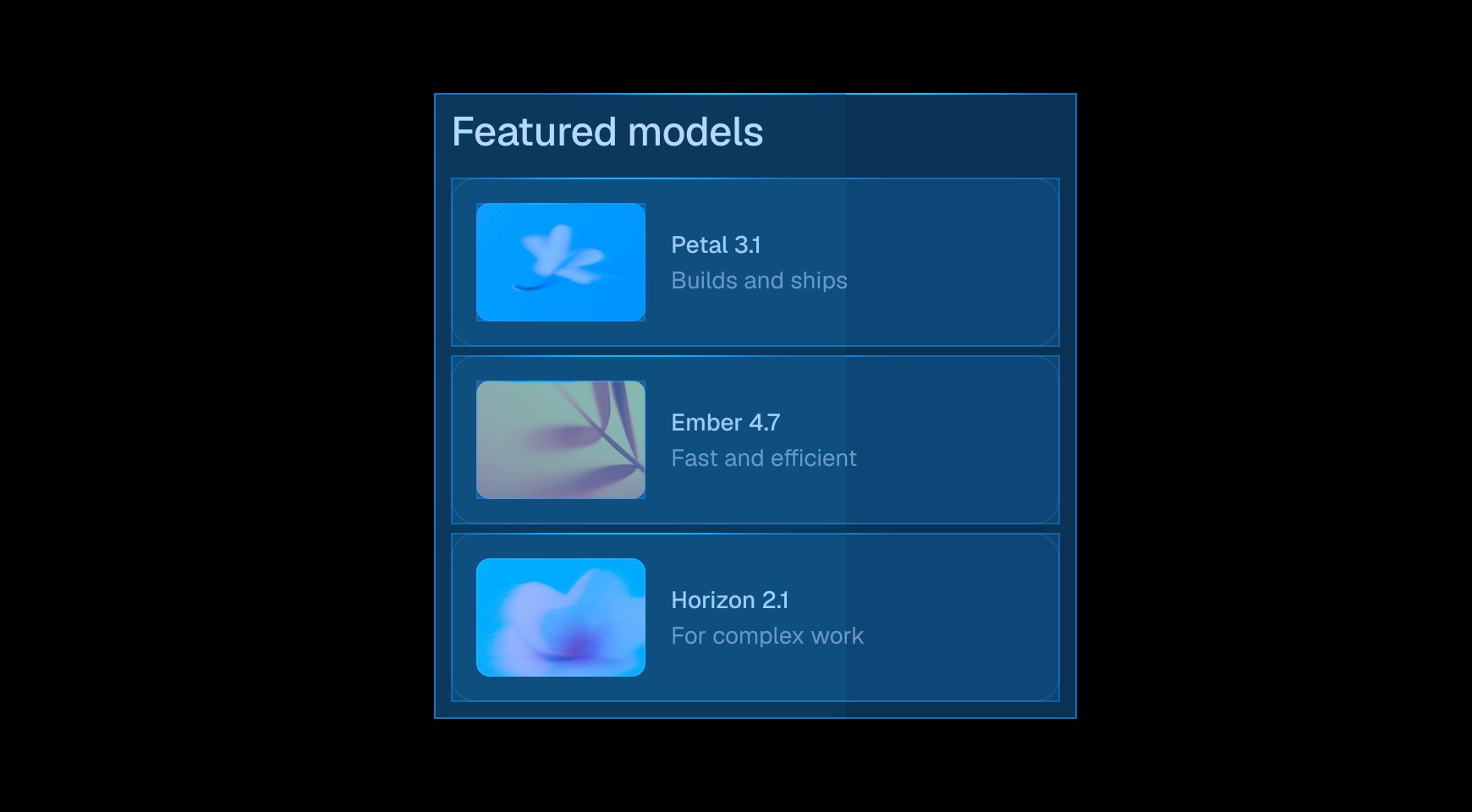

Designers can refine layout, typography, motion, and responsive behavior on the canvas after AI creates a starting point, without another prompt or code review.




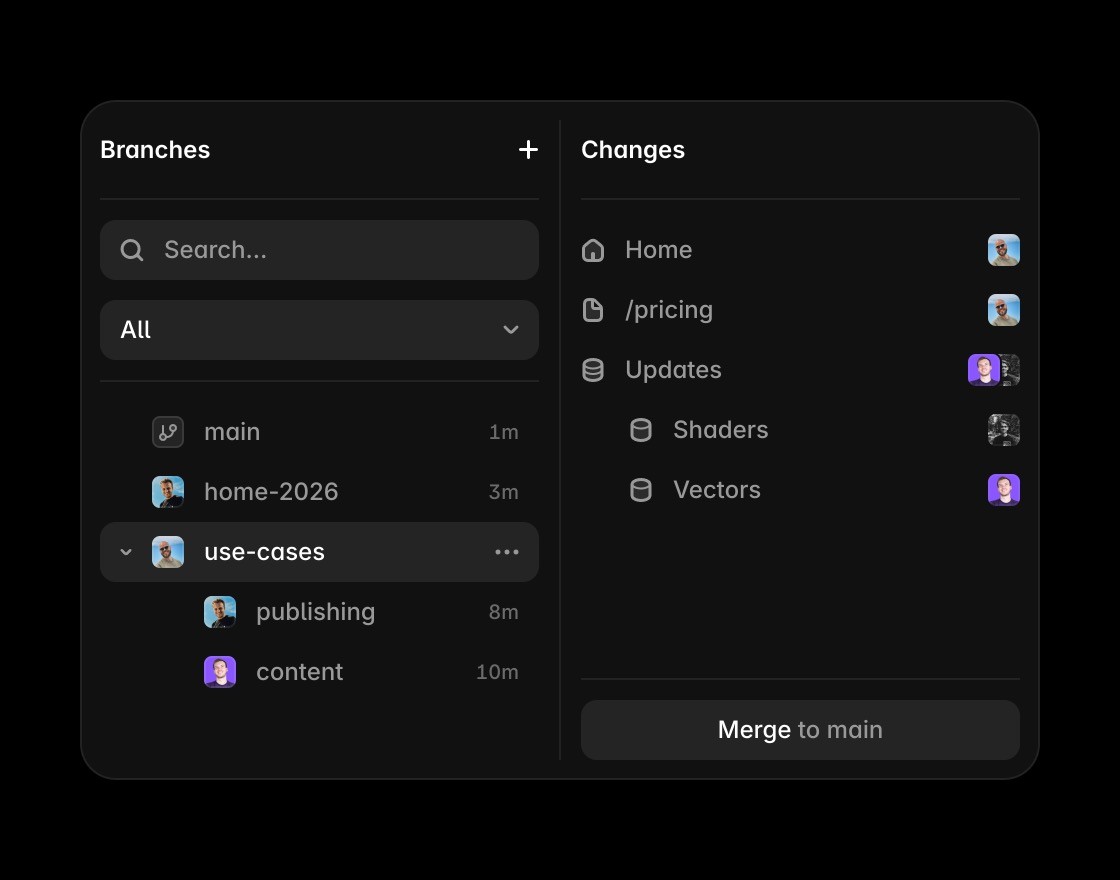
Collections, detail pages, metadata, and internal links are part of the website project instead of a database-backed app model assembled for the task.

Preview, stage, branch, connect a domain, and publish through one workflow built around pages and campaigns.


Choose Lovable when the build needs accounts, transactional data, server functions, application state, or payment flows beyond a marketing site.
Build AI websites that stay editable
Framer Agents work on actual site pages while keeping AI changes editable on the canvas instead of only in generated output.
This comparison fits External Agents because Codex, Claude Code, Cursor, and similar tools can connect to Framer workflows.
Use the canvas when generated code or UI needs visual refinement, responsive layout control, and team editing.
Framer CMS is useful when Lovable output needs to become landing pages, comparisons, or content hubs teams can manage.
Framer keeps metadata, headings, FAQs, and answer-ready copy in the same workflow used to edit the page.
Framer turns AI-assisted website work into a hosted, publishable update without staying in a code deployment loop.
The practical verdict on Framer vs Lovable




Compare Framer with other tools














Frequently asked questions
What is the main difference between Framer and Lovable?
Lovable generates web applications through chat and can connect a database, authentication, storage, serverless functions, and payments. Framer focuses on designed websites with CMS, SEO, responsive editing, and managed publishing. The clearest choice starts with the deliverable: a product application or a marketing site.
Who should choose Framer over Lovable?
Use Framer for the public website your brand and marketing team will operate. Use Lovable for a software product whose defining work happens in data and application logic. Designers can tune layout, typography, motion, and responsive behavior visually after AI creates a starting point. Routine polish does not depend on another prompt or code review.
When is Lovable the better choice?
Lovable is more appropriate when the build needs accounts, transactional data, server functions, application state, or payment flows beyond a marketing site.
How does the editing workflow differ from Lovable?
Use a CMS designed around published pages. Marketers can maintain articles, comparisons, directories, and landing content without managing application data. Titles, descriptions, redirects, semantic structure, and content updates sit beside the rendered site.
How should a team compare Framer and Lovable pricing?
Lovable uses credits across building, cloud runtime, and AI features, while Framer plans price website publishing and capacity. Forecast application activity separately from page traffic and editorial work.
Can Framer and Lovable be used together?
A common split is to build the authenticated product in Lovable and the public marketing site in Framer. Link the experiences through clear domains, shared brand assets, analytics, and handoff rules rather than forcing both jobs into one tool.
